
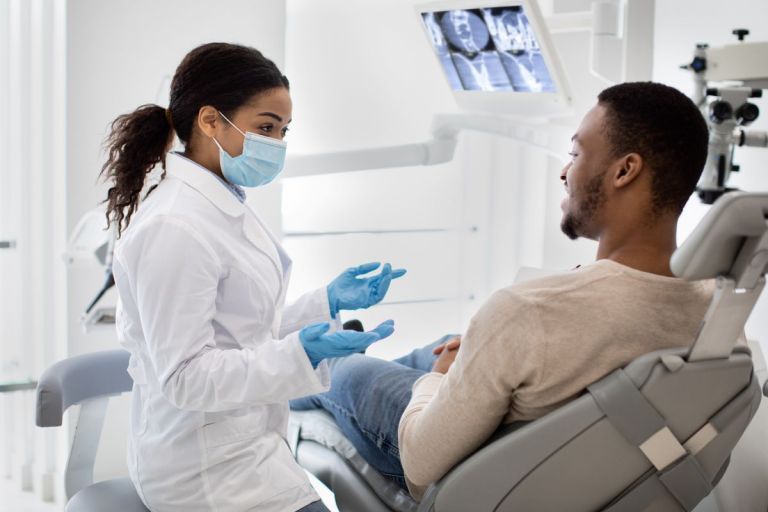
If you struggle with snoring or obstructive sleep apnea, finding a comfortable treatment can make a difference in your sleep quality. Oral appliance therapy is one option that may help you breathe more easily while sleeping. These custom-fitted devices work by adjusting the position of your lower jaw to help keep your airway open. While oral appliances can be effective for certain patients, they may not be the right solution for everyone. Learning more about oral appliance therapy can help you have an effective conversation with your healthcare providers.
How Does Oral Appliance Therapy Work?
Oral appliance therapy involves wearing a specially designed dental device while you sleep. For obstructive sleep apnea, dentists commonly use mandibular advancement devices, which gently position your lower jaw forward. This adjustment can help reduce airway obstruction caused by relaxed tissues in your throat.
Unlike continuous positive airway pressure (CPAP) machines, oral appliances do not require a mask or airflow equipment. They are generally small, portable, and easy to incorporate into your bedtime routine. However, their effectiveness depends on your individual airway anatomy, sleep apnea severity, and other health factors.
Who May Benefit From Oral Appliance Therapy?
Oral appliance therapy may be appropriate for adults with certain sleep-related breathing problems. Your healthcare providers will consider your diagnosis, treatment preferences, and overall oral health before recommending an appliance.
You may be a candidate if you:
- Have mild to moderate obstructive sleep apnea and cannot tolerate or prefer an alternative to CPAP.
- Experience primary snoring without obstructive sleep apnea and want to explore treatment.
- Have sufficient healthy teeth and supporting structures to accommodate an appliance.
These factors can help guide treatment decisions, but they do not automatically establish your eligibility. A sleep evaluation and dental examination are important for determining whether oral appliance therapy is suitable for your needs.
What Dental Conditions May Affect Your Eligibility?
Your oral health plays an important role in determining whether you can comfortably wear an oral appliance. Because many devices rely on your teeth for support, your dentist will examine your gums, teeth, and jaw before recommending treatment. Certain dental conditions may require additional evaluation or care.
For example, untreated gum disease, loose teeth, or significant dental problems may complicate appliance use. Existing jaw joint discomfort or limited jaw movement may also influence which treatment options are appropriate. Your dentist can assess these concerns and discuss whether modifications or alternative approaches may be necessary.
What Happens During the Evaluation Process?
Before beginning oral appliance therapy for suspected sleep apnea, you need an appropriate medical evaluation. A qualified healthcare provider can assess your symptoms and arrange sleep testing when indicated. This helps distinguish obstructive sleep apnea from other conditions that may cause snoring or disrupted sleep.
If oral appliance therapy is recommended, a qualified dentist can evaluate your mouth and create a custom-fitted device. Follow-up visits allow your dentist to adjust the appliance and monitor your comfort, bite, and jaw health. Your sleep healthcare provider may also recommend follow-up sleep testing to confirm that treatment adequately controls your breathing disturbances.
Taking the Next Step Toward Better Sleep
Oral appliance therapy can offer a practical treatment option for some people with snoring or obstructive sleep apnea. However, choosing the right approach requires understanding your symptoms, medical diagnosis, and dental health. A personalized evaluation can help determine whether an oral appliance may provide meaningful benefits.
If you experience persistent snoring, daytime fatigue, or other signs of sleep apnea, consider speaking with your healthcare provider. A dentist trained in dental sleep medicine can also help you understand how oral appliances work and whether your oral health supports their use. With coordinated care, you can explore treatment options that address your sleep needs and long-term health.